Dissemination activities of the project

Over the last few months the dissemination activities of the project have been ongoing to raise awareness of the brown bears’ situation in the Cantabrian interpopulation corridor, the strategy to improve connectivity and also about the need to promote a good co-existence between the conservation of the bear and human activity in the territory.

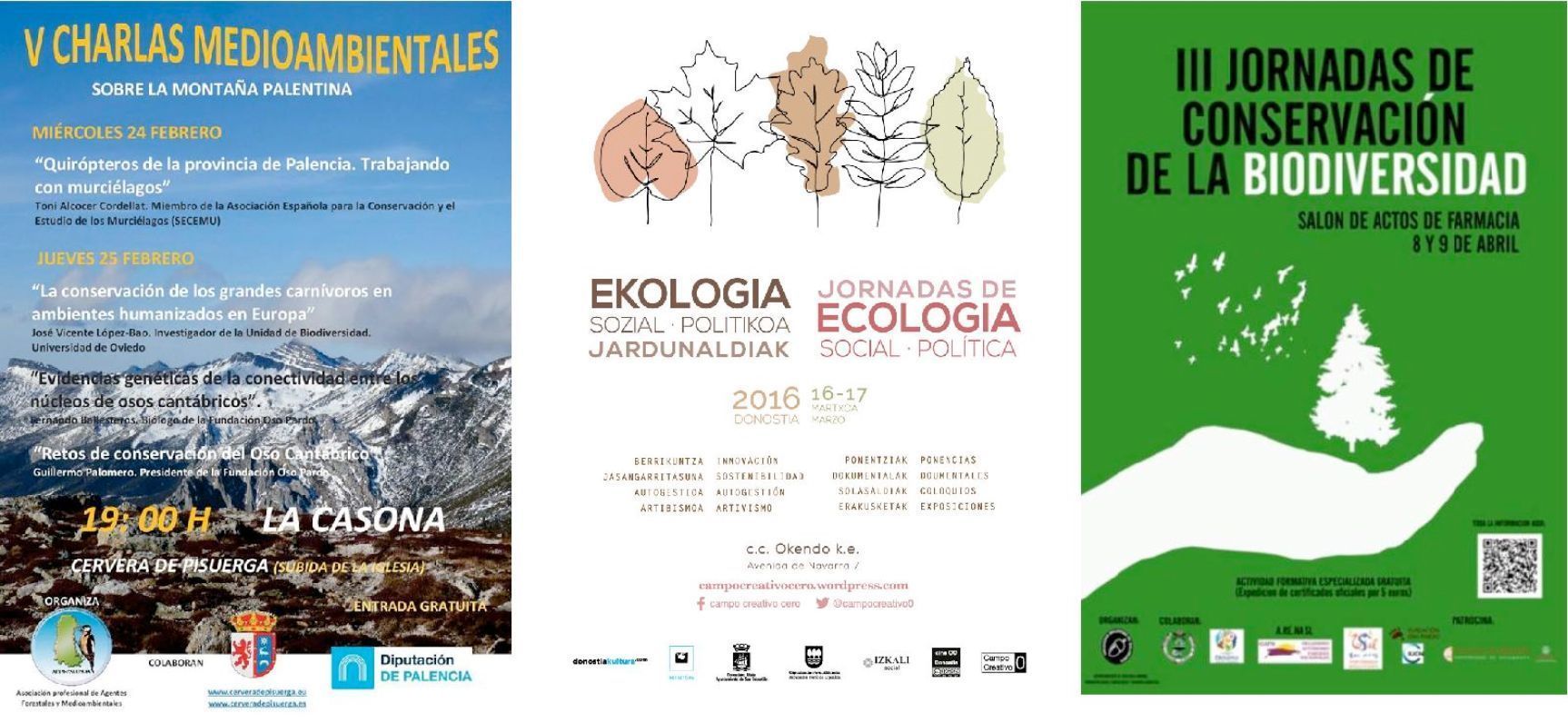
In February 2016 the project coordinator, together with the FOP president, have participated in the “V Charlas Medioambientales” , organised by the Palencia Association of Environmental and Forestry Agents, in Cervera de Pisuerga, where they presented the latest data on the connectivity between the two Cantabrian bear populations and the activities of project LIFE. In March 2016 the project was presented at the Social Ecology Conference, organised by Triodos Bank in San Sebastian. In April 2016 the project’s plans and outcomes were presented at the 3rd conference on the Conservation of Biodiversity organised by the University of Salamanca.

April 2016


Posters announcing some of the presentations of the LIFE Defragmentation Bear project.
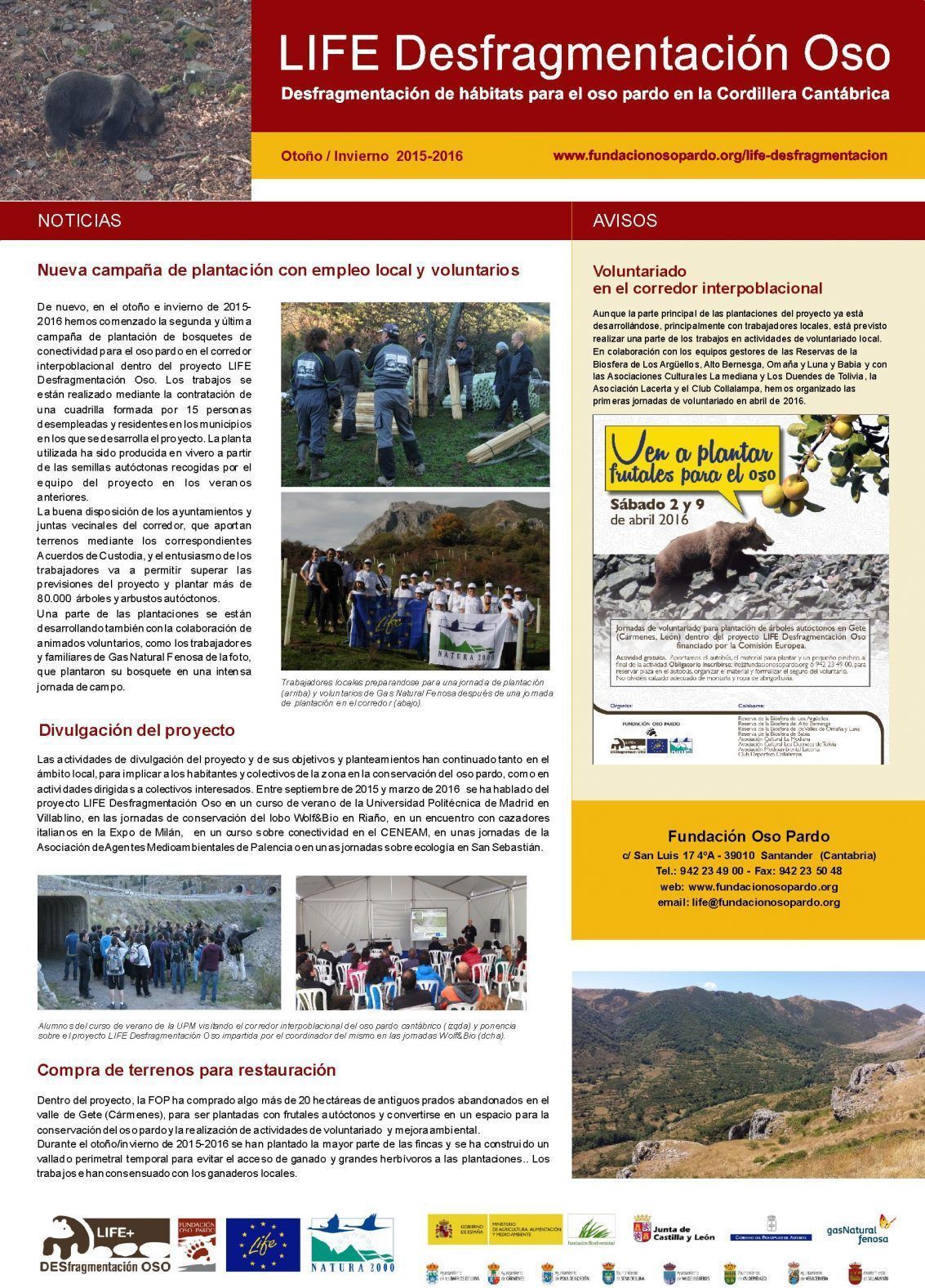
 

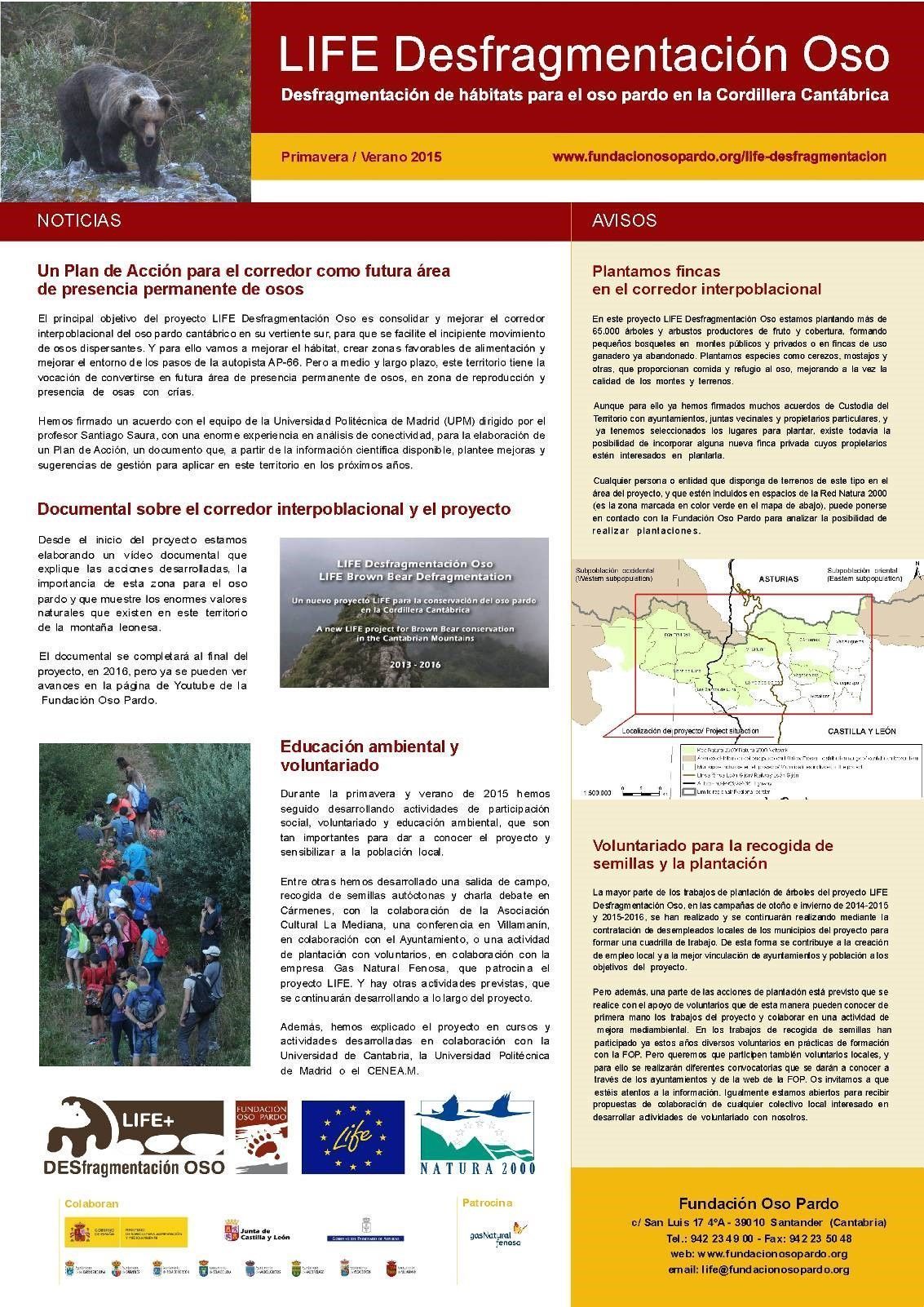
Published Newsletter 5

Newsletter 5 of the LIFE Bear Defragmentation project has been published.

March 2016

End of the second plantation campaign

From October to March, the second plantation campaign has been carried out in the LIFE Bear Defragmentation project. The work has been undertaken by 14 forest workers and one forestry foreman hired from among the local unemployed in the municipalities in the project area. A forestry company has also been contracted to do the hole-digging with a spider excavator.

Between the first and second plantation campaign 61,869 trees have been planted in 178 connectivity forests distributed through diverse areas of the corridor and covering a total surface area of 69 ha. Also 9,750 trees have been planted over 9 ha to create 18 channelling forests close to the best crossings on the AP66 highway, and 8,092 alpine buckthorns in over 11 ha have been planted in adequate limestone areas. There are still some areas pending plantation, which will take place over 2016.

The final results of the two campaigns have exceeded the initial expectations of the project. Based on the preparatory work and advice from the technical services of the Castilla y León government, higher than expected densities were planted , depending on whether the spider excavator was able to access the terrain. In some areas, the saplings have been protected from herbivores by provisional perimeter fences and in the other zones using protective tree tubes. The first monitoring of the plantations looks very favourable, pointing to success with high survival rates and good growth.

April 2016


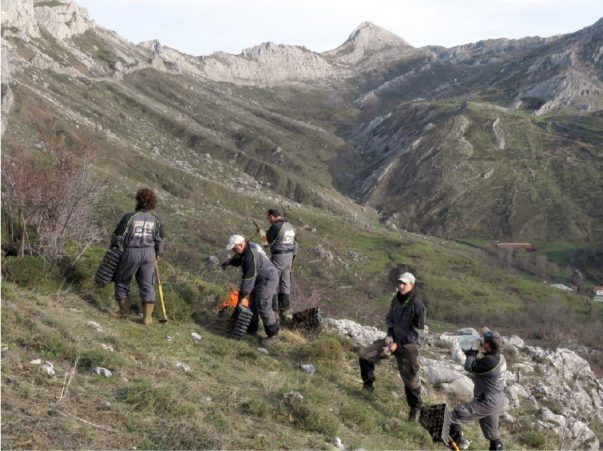
Members of the project team prepared to begin the planting work in Robledo de Caldas.

Purchase of land for the project

Among the activities of the LIFE project is the purchase of disused agricultural lands for restoration. This makes possible the planting of connectivity forests and favours the demonstrative effect, allowing restoration and monitoring actions, voluntary activities, environmental education and other types of activities that contribute to disseminate the aims and outcomes of the project and to favour the long-term implication of the FOP in the territory.
After painstaking work locating the areas of interest and the potential farmland for sale, and which comply with the eligibility criteria demanded by the LIFE programme, the decision was made to concentrate the purchases in an area of the Gete valley, in the municipality of Cármenes. The area possesses excellent conditions for restoration and plantation and is well supported locally. In December 2015, we have acquired 19.9 ha and initiated restoration and the planting work.

December 2015


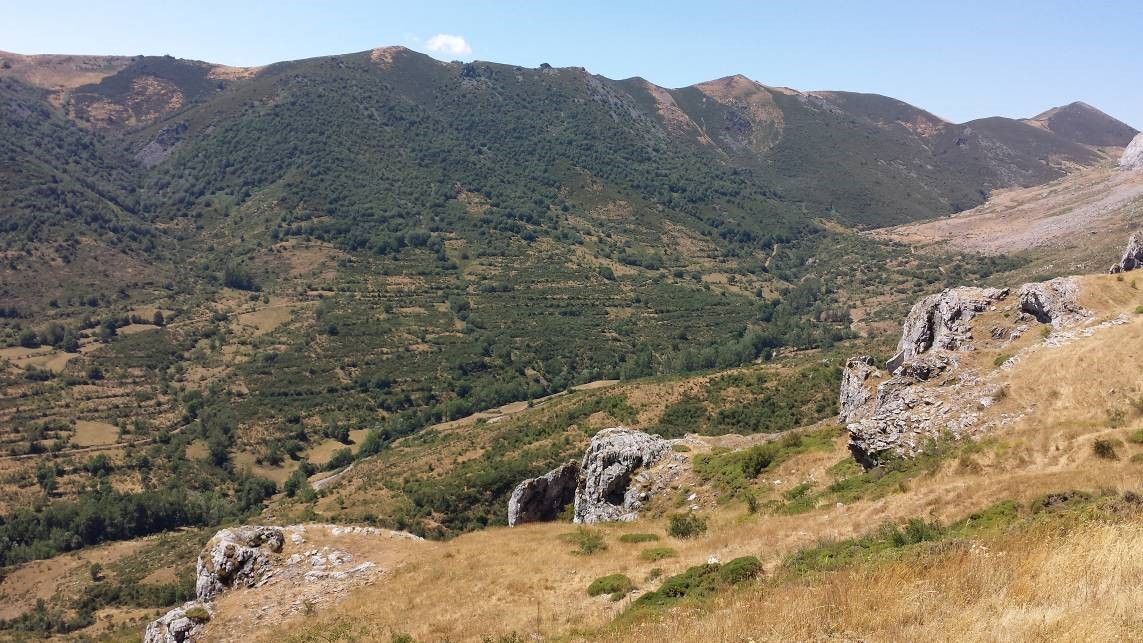
Zona del valle de Gete  en la que se localizan las fincas adquiridas por la FOP en el marco del proyecto LIFE Desfragmentación Oso

Gete valley area in which the farms acquired by the FOP are located

Publication of a special bulletin on the project

In November 2015 a special informative bulletin on the LIFE project has been published. With 24 pages in full colour and printed with the collaboration of the journal Quercus, 18,000 copies have been distributed, inserted into the November 2015 edition of this conservation magazine and another 2,000 issues are being distributed in the territory around the Cantabrian brown bear interpopulation corridor, with the collaboration of local councils, rural development groups, the offices of the Biosphere Reserves and public establishments in the area.
As well as the various articles prepared by the project’s technical team on the importance of defragmentation for the conservation of biodiversity and the ongoing activities of the LIFE project in the corridor, the bulletin includes signed guest contributions from Santiago Saura and María Cruz Mateo from the Polytechnic University of Madrid, Georgina Álvarez from the Ministry of Agriculture, Food and Environment, José Cortizo from the León University, Francisco Javier Ezquerra from the Castilla y León regional government, Emilio Orejas, mayor of Valdelugueros, and Fulgencio Fernández, local resident in Cármenes.
You can consult the bulletin and download the pdf here

Hiring of local unemployed for planting work

In October 2015 the second sowing campaign of the LIFE project has got under way. As in the previous campaign, a work team has been sourced from local unemployed people to carry out the planting. They have been directed by the field team and technicians on the project.

In this second campaign, and bearing in mind the good results from the previous season, 15 people have been hired from the municipalities of Cármenes, Pola de Gordón, Sena de Luna, Valdelugueros, Vegacervera and Villamanín. The gang will undertake the work between October 2015 and April 2016. In the majority of the sowing areas we are able to count on the services of a spider excavator, hired from a forestry company, which helps with the hole-digging and clearance, enabling the good preparation of the holes for better final results. In hard-to-access areas the gang dig the holes manually. Given the high yield of the work and the availability of sowing areas, and with plenty of locally sourced plants, the project is forecast to exceed expectations and plant over 80,000 autochthonous trees in the interpopulation corridor.

October 2015


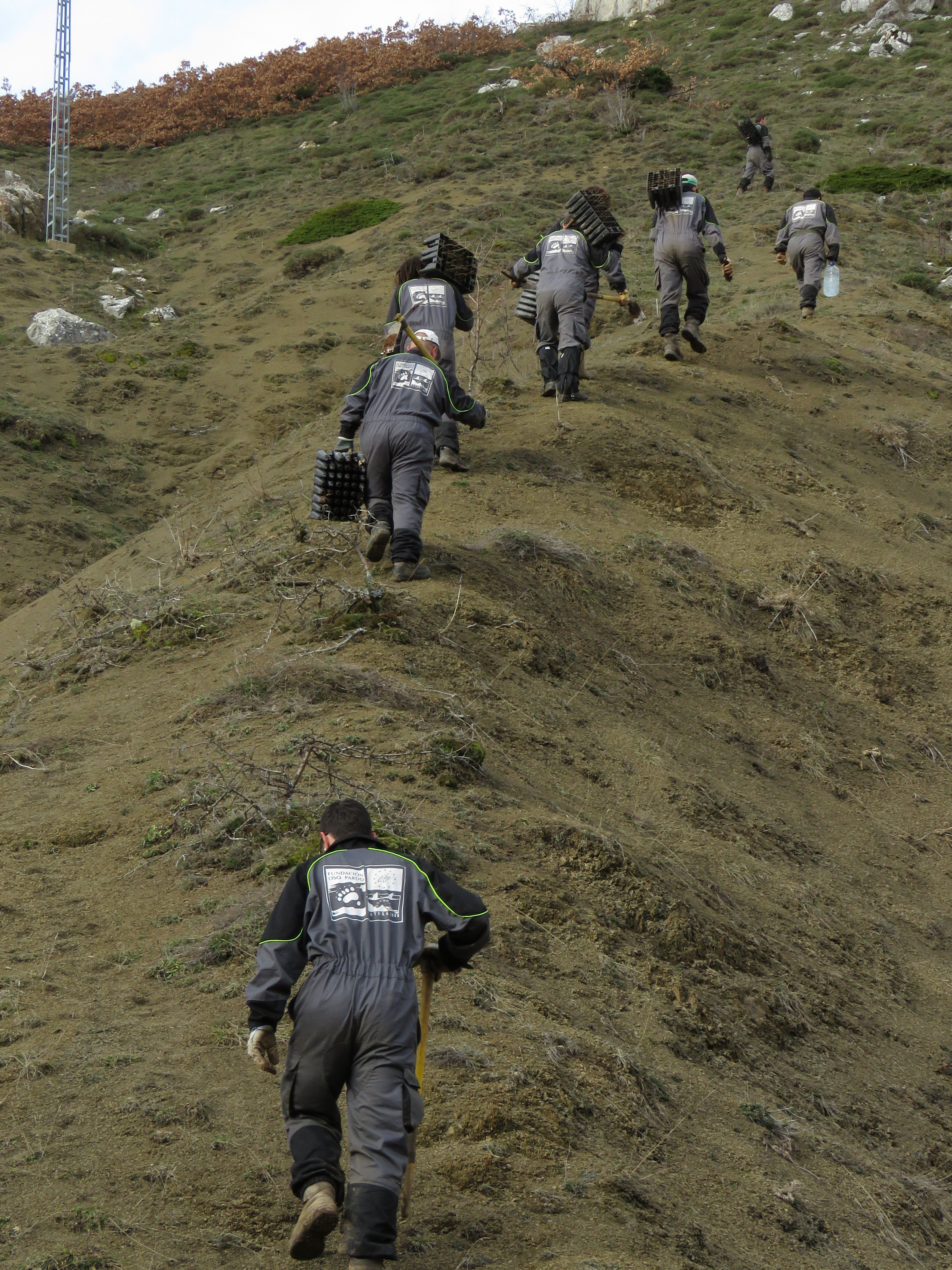
Cuadrilla de plantación del proyecto LIFE Desfragmentación Oso accediendo con el material a una de las zonas de trabajo para la plantación de bosquetes de especies arbóreas autóctonas

LIFE project plantation gang accessing with the material to one of the working areas for planting native tree species.

Planting with volunteers from GAS NATURAL FENOSA

On Saturday 17th October, volunteers planted a part of the project’s acquired terrains in the Gete valley . The 20 volunteers taking part in the planting are employees from Gas Natural FENOSA. The work was undertaken within the framework of the energy company’s Corporate Environment Volunteer Programme and in collaboration with Fundación Global Nature. Gas Natural Fenosa have partnered the Bear Defragmentation LIFE project since the beginning and have contributed to its co-funding.

The work comprised the planting of 150 trees that are beneficial for the bears in land acquired for the project, to improve trophic availability for the bear in an area of great importance within the interpopulation corridor. The volunteers received preliminary explanations on the development of the plantation, The work was coordinated by the LIFE project team and ended with an outdoor picnic and an interesting debate about the project and the conservation of the brown bear. The experience was very satisfactory for both the volunteers and the company.

October 2015


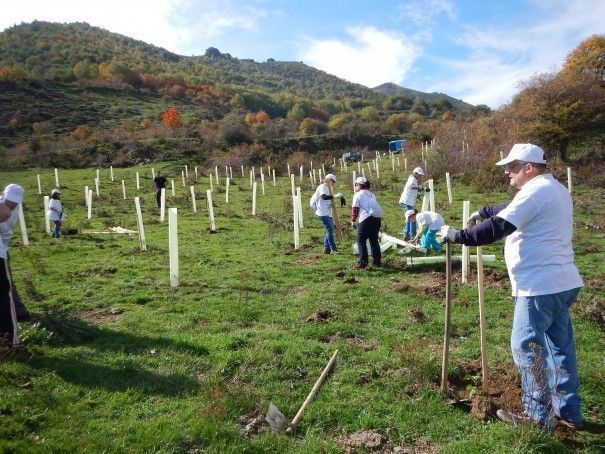
Voluntarios de Gas Natural FENOSA plantando árboles frutales en el corredor interpoblacional del oso pardo cantábrico

Volunteers of Gas Natural FENOSA planting fruit trees in the interpopulation corridor of the Cantabrian brown bear.

Published Newsletter 4

Newsletter 4 of the LIFE Bear Defragmentation project has been published.
newsletter4

Project dissemination activities

Over the summer of 2015 LIFE project dissemination activities have continued focussing on the project itself, its goals and outcomes, both inside the Cantabrian brown bear interpopulation corridor, and in the surrounding areas and for different collectives.               

Among other activities, the project coordinator has held conferences and debates in the towns of Cármenes and  Villamanín in August, with high levels of participation and interest; we also participated in the Wolf and Bio event held in Riaño in September and in professional courses like those held in Potes in June, in collaboration with the Cantabria University , and in Villablino in September, in collaboration with the Polytechnic University of Madrid . Over 100 people have taken part in these events.

June to September 2015

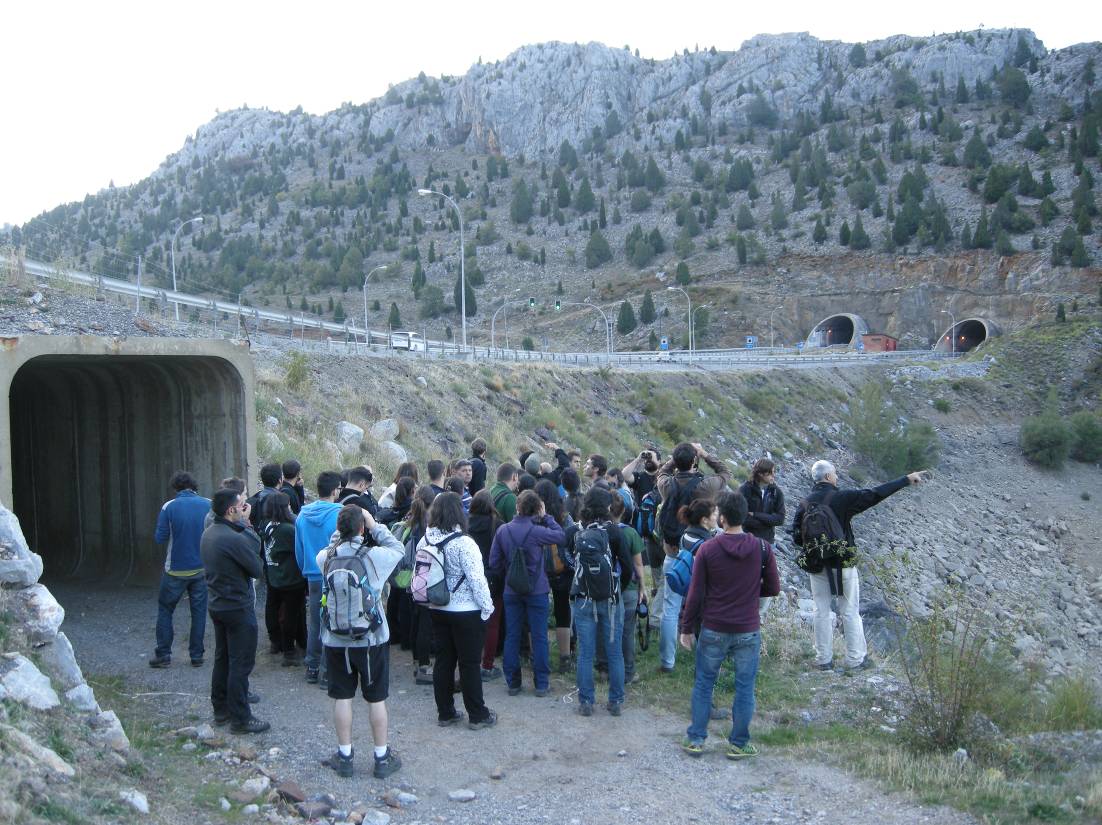
Students of the course “Habitat and Connectivity Management for the conservation of the Cantabrian brown bear”, organized by the FOP and the Polytechnic University of Madrid, during a visit to the surroundings of the AP-66 highway in the interpopulation corridor of the brown bear


Conference and debate on the project LIFE and the brown bear in the municipality of Cármenes

New harvesting of seeds for the project.

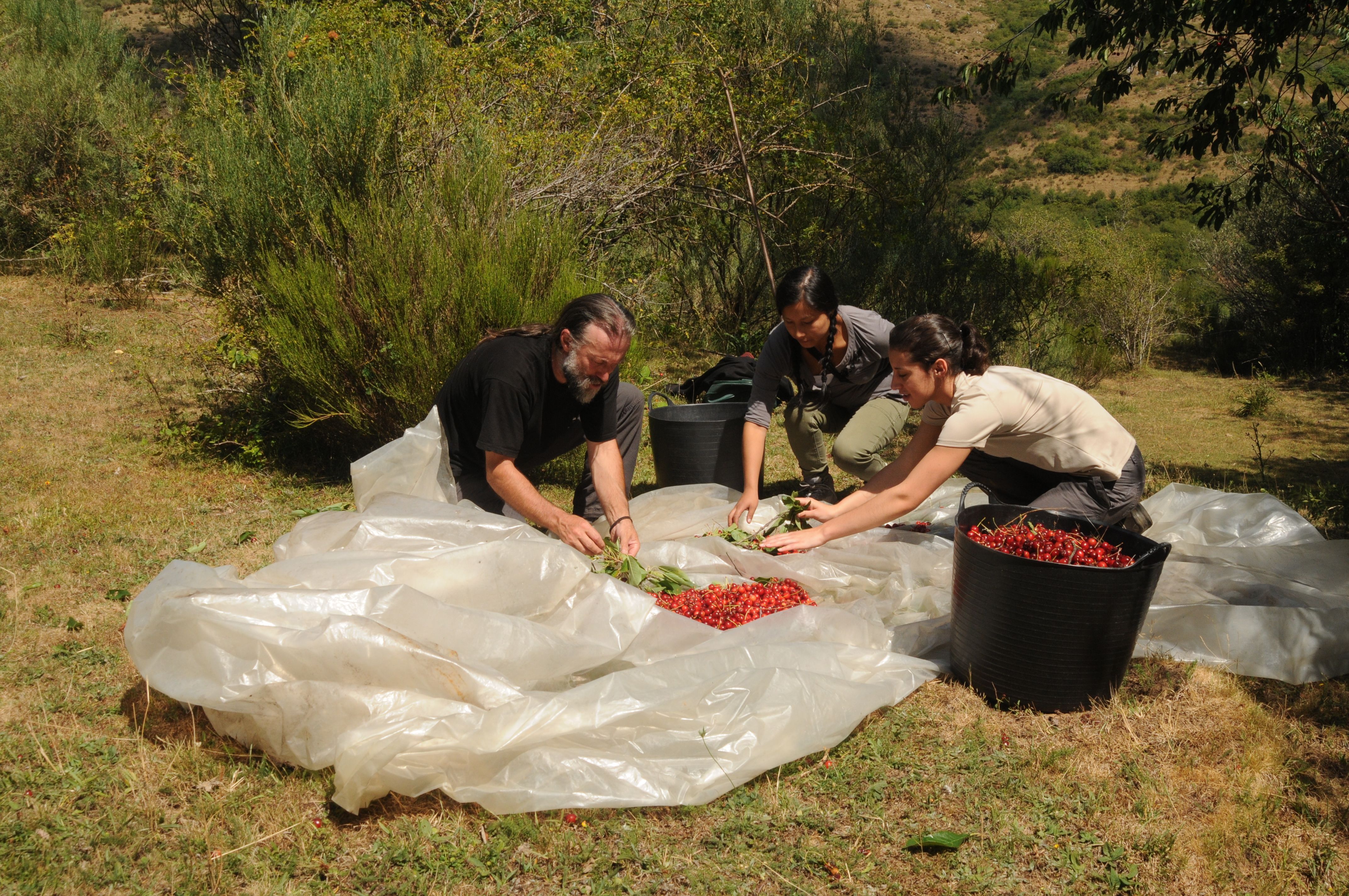
In the summer of 2015, a new autochthonous seed harvesting campaign has gone ahead to produce saplings for sowing the connectivity forests for the LIFE project. The work has been implemented by the project’s field team, but also with the help of volunteers, like FOP trainees and local people from the villages within the scope of the project, who have taken part in the harvest.

Over the course of the project, between September 2013 and August 2015, a total of 653.5 kg of autochthonous fruits and seeds have been harvested from 10 different species . The birch, wild cherry, whitebeam and rowan are species regulated under Forest Reproductive Material Production Standards, so the seeds have been sourced in the appropriate places under the control of the Castilla y León and Principado de Asturias Governments. To ensure the quantity and quality of the seeds, trees with a good appearance and high productivity have been selected. The harvest has been collected from diverse trees to ensure greater genetic variability of the future fruit trees, and in some cases harvested from trees visited by the brown bear.

The seeds have been taken to the partner Forestry Nurseries for the preparation and production of the plants necessary for the project.

August 2015


recogida cerezas Gete. LIFE desfragmentacion.1

Harvesting of cherry seeds in July 2015 in the interpopulation corridor with the support of volunteer students


2015-08-04_19.01.10

Interpretive route activity and seed collection conducted in August 2015 with neighbors of the municipality of Cármenes