Principado de Asturias, FOA y FOP ponen en marcha ”Conviviendo con osos”

Jornadas informativas, bajo el título de «Conviviendo con osos», se celebrarán en todos los municipios oseros de Asturias.

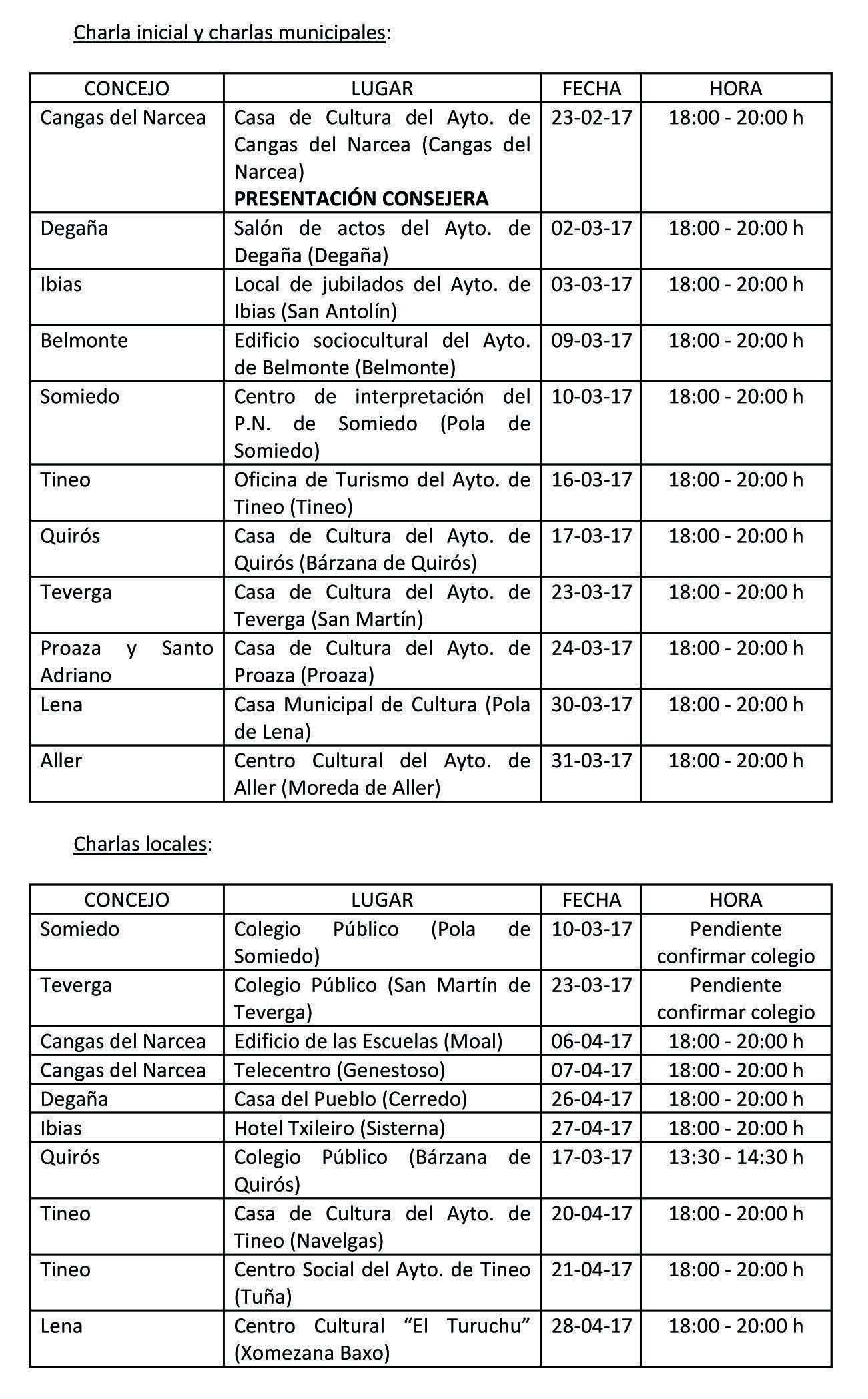
El Principado de Asturias, en colaboración con la Fundación Oso de Asturias y la Fundación Oso Pardo , ha organizado un ciclo de jornadas informativas, bajo el título de «Conviviendo con osos», que se van a celebrar en los municipios oseros de Asturias. El objetivo de estas jornadas es informar a la población sobre las pautas a seguir ante encuentros con osos, y sobre los aspectos biológicos y ecológicos que condicionan el comportamiento de los osos y su acercamiento a los asentamientos humanos. Igualmente, se explicará el procedimiento establecido por el Principado de Asturias para evitar incidentes y prevenir la habituación de algunos ejemplares a la presencia próxima de las personas o a recursos tróficos de origen humano.

Con esta iniciativa se pretende favorecer la aceptación social del oso y su convivencia pacífica con las personas, fomentando su imagen positiva como elemento dinamizador de las áreas rurales.

La primera jornada inaugural se celebra el jueves 23 de febrero a las 18.00 en la Casa de Cultura del Ayuntamiento de Cangas del Narcea, con la asistencia de la Consejera de Desarrollo Rural y Recursos Naturales y el Director General de Recursos Naturales del Principado de Asturias, representantes de la FOA y la FOP, y representantes municipales. Posteriormente, en marzo y abril se celebrarán al menos otras 20 jornadas en diferentes lugares de los concejos asturianos de Aller, Belmonte, Cangas del Narcea, Degaña, Ibias, Lena, Proaza, Quirós, Santo Adriano, Somiedo, Teverga y Tineo.

Los osos cantábricos han vivido siempre en paisajes humanizados y no han desaprovechado la oportunidad de alimentarse en frutales o colmenares situados a veces cerca de los pueblos, acudiendo normalmente de noche y huyendo ante la presencia humana. Pero la evolución positiva de la población osuna en los últimos años y su convivencia en paz con las personas, está favoreciendo algunos casos de osos habituados o “familiares”, tolerantes con la presencia próxima de personas. Aunque estos osos no son a priori problemáticos, lo cierto es que provocan una razonable inquietud social y pueden acabar generando conflictos que hay que prevenir y evitar.

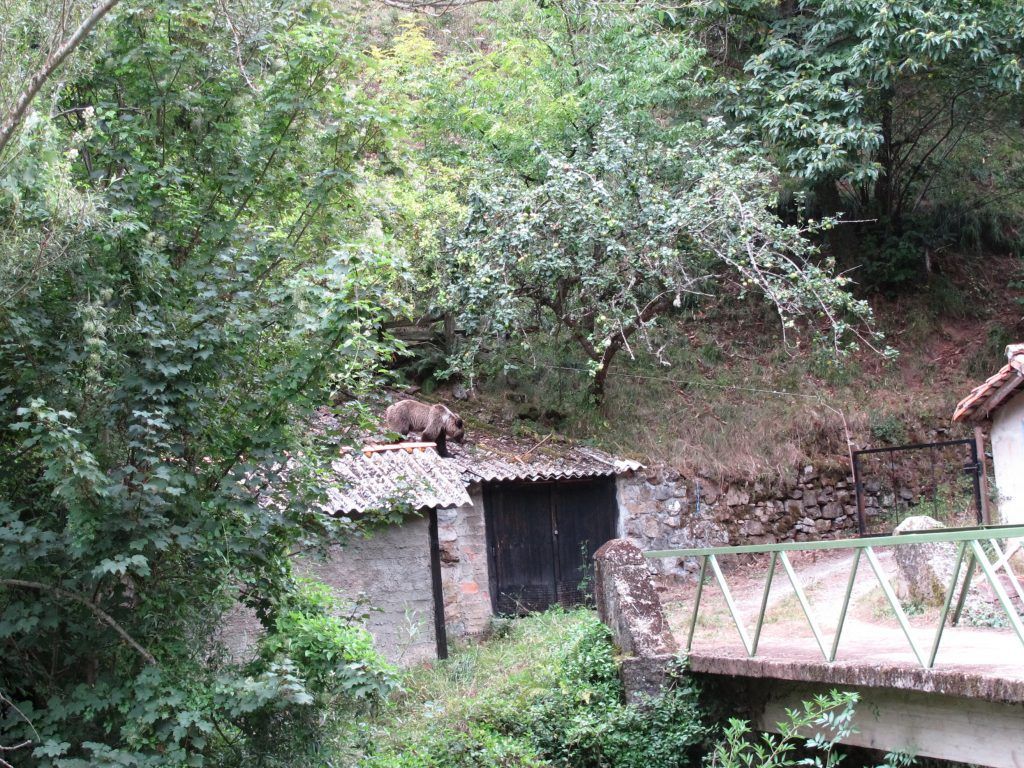
 

Oso joven comiendo manzanas en pueblo de Somiedo .
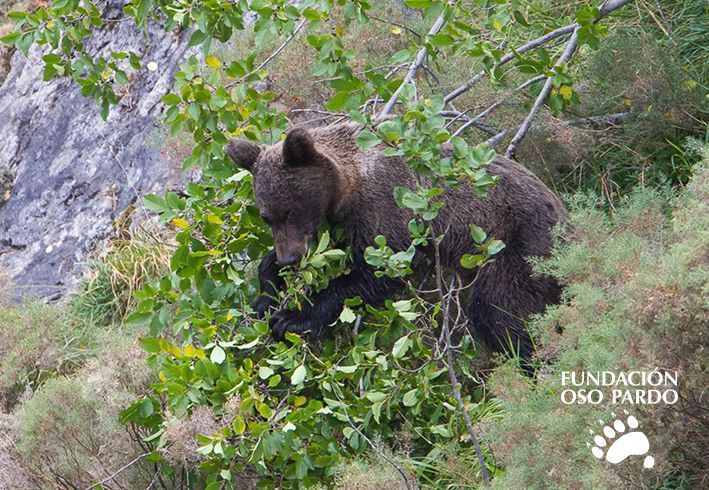
La FOP colabora con El Principado de Asturias para reforzar la conservación del oso pardo y fomentar su imagen positiva como elemento dinamizador de las áreas rurales

La Consejería de Desarrollo Rural y Recursos Naturales actualizará el convenio con la FOP cuyo origen se remonta a 2004 y que ha permitido desarrollar con éxito numerosos proyectos y actividades de conservación, investigación y educación ambiental.

Mediante el nuevo convenio, que no supondrá obligaciones económicas para ninguna de las partes, el Principado y la FOP intercambiarán información relevante y aunarán esfuerzos para favorecer cambios de actitud entre la población local, y la sociedad en general, fomentando la aceptación social del oso. También colaborarán en las revisiones del plan de recuperación de la especie y en la elaboración y la ejecución de protocolos para evitar conflictos con humanos.

El acuerdo incluye, asimismo, el diseño de métodos estandarizados de seguimiento genético y demográfico. En este contexto cobra especial relevancia la cooperación entre ambas partes para elaborar el censo anual de osas con crías, que es el instrumento más eficaz para conocer la evolución de la población cantábrica. La metodología empleada ha sido aceptada por la comunidad científica. De esta forma, habrá un intercambio permanente de información para hacer los seguimientos.


Environmental Education Program

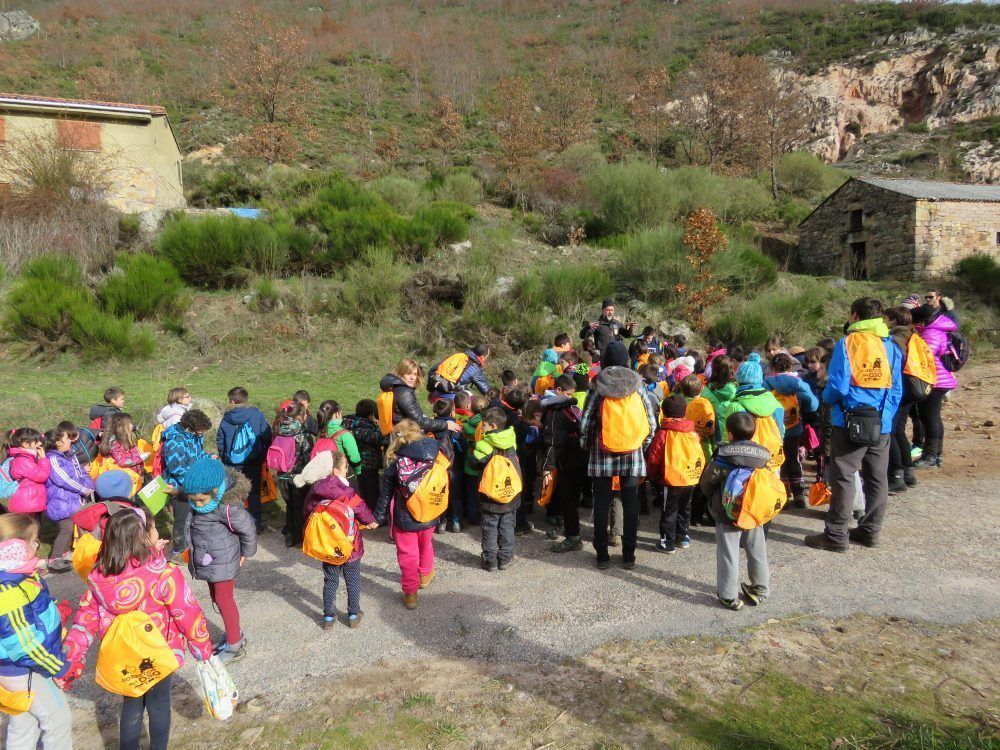
In the last months of the LIFE Bear Defragmentation project, an environmental education program aimed at all students in the municipalities of the project has been developed, to raise awareness about the importance of conservation of the brown bear and to disseminate this message through their families. The campaign has been carried out in schools in the project’s municipalities and in centers of the most important villages in the surroundings, which are attended by many students from the area. A total of 23 environmental education activities were carried out, in which 836 students participated, consisting of seven lectures-debates held at the Secondary Education Centers of La Robla, Boñar and Pola de Gordón, five interpretative routes along the corridor for students of the Primary and Secondary Schools of La Pola de Gordón, Ciñera, Villamanín, Huergas de Babia, La Vecilla, La Robla, La Magdalena and Boñar, and eleven storytelling activities for children and primary students of this schools and those of Matallana and Riello. As work material for the field routes, a didactic workbook has been edited, based on the material used in other educational campaigns of the FOP.

December 2016

Interpretive route with school children in the cantabrian brown bear interpopulation corridor .

Participation of volunteers in the actions of the LIFE project

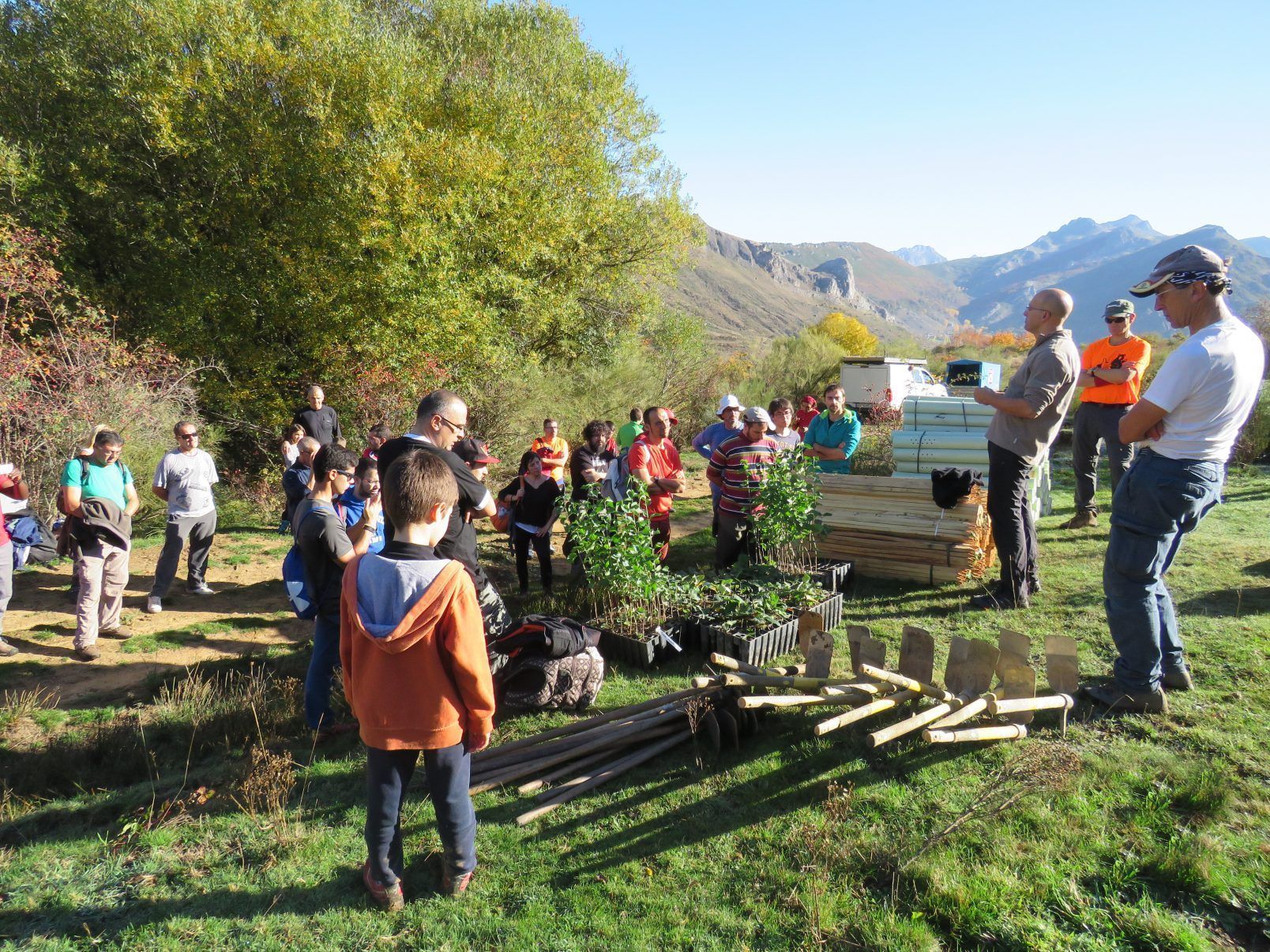
The implication and involvement of the inhabitants of the corridor in the habitat improvement actions have been a very important part of the project. Among other activities, several volunteer days have been held with a remarkable success, in which 226 volunteers have participated. In August 2015, 36 volunteers from the town of Cármenes participated in an interpretative route and seed collection for the production of seedling for the project. In October 2015, 20 volunteer workers from Gas Natural Fenosa planted the first 150 trees on the land acquired by the project in Gete. In the same area, three other volunteer activities were developed in April, October and December 2016, in which 58, 61 and 74 volunteers planted more than 750 trees together. In October 2016 and in the framework of the Participatory Meetings of the project, a visit was also carried out with the participation of 61 people. These activities have allowed many people in the area to know and participate in the project, contributing to disseminate and improve the awareness about the importance of the conservation of the brown bear and its presence in this area.

December 2016

The project coordinator explains how to organize the plantation to a group of volunteers.

Permeabilization in the surroundings of some existing passages in the highway AP66

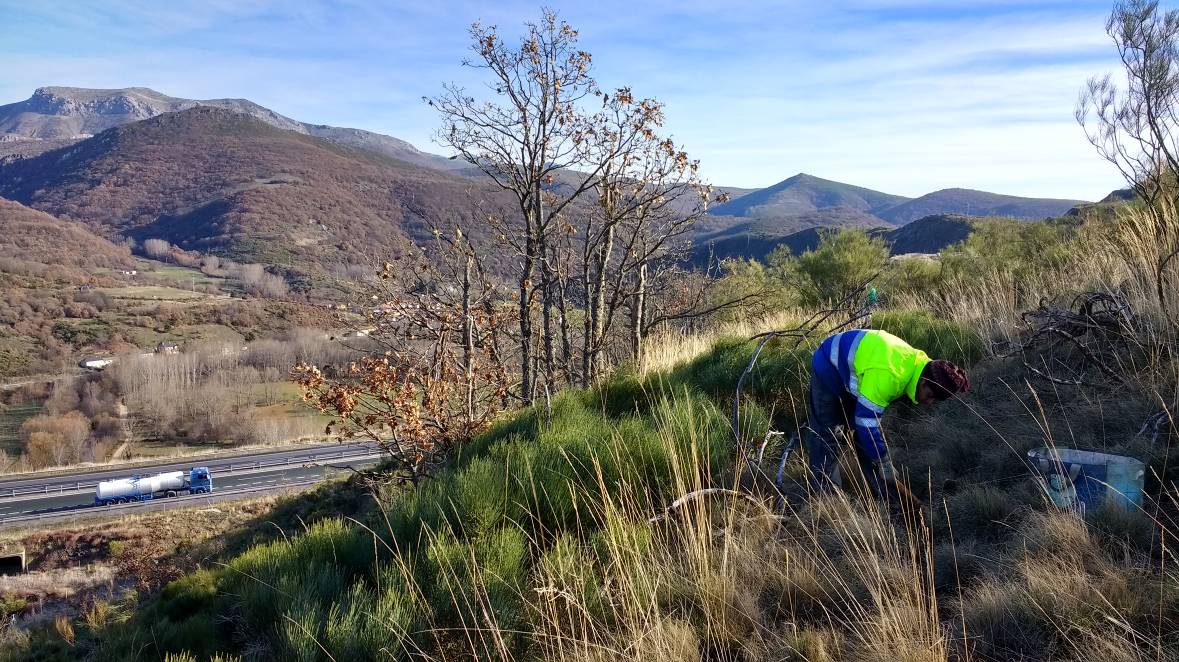
In November, the permeabilization and improvement in the surroundings of some passages existing in the highway AP-66 have been completed. This action has consisted in the planting of cover native trees and bushes in suitable zones in the proximity of some selected passages. This highway crosses the interpopulation corridor between the two subpopulations of Cantabrian brown bear, contributing to the fragmentation. There are not specific fauna passages or other measures to reduce the barrier effect. However, there are some tunnels, small viaducts and underpasses that can allow the crossing of a bear. In order to facilitate the use of these passages by bears and other large mammals, increasing the vegetation cover in the proximity, we have planted in this project action 32 permeabilization forests constituted by 21,585 trees and shrubs, mainly birch and 3,232 shrubs and with a total restored area of 17 ha.
 
The plantations have been carried out on public land with an authorization from the Spanish Ministry of Fomento, as well as on land owned by municipalities with an Land Stewardship Agreement signed with the corresponding local councils. Willow stakes have been planted in the Public Hydraulic Land, with the specific permission of the Duero Hydrographic Confederation. Plantations works have been developed by forestry companies hiring unemployed people from the area and have been coordinated and supervised by the technical staff and field staff of the project, also responsible for the selection of areas, definition of actions, transportation and plant preparation, coordination with authorities and social actors of the territory and monitoring of plantations.

November 2016

Cover plantations in the surroundings of selected passages in the highway AP66.


Participation in an international congress on European threatened large carnivores and scavenger raptors.

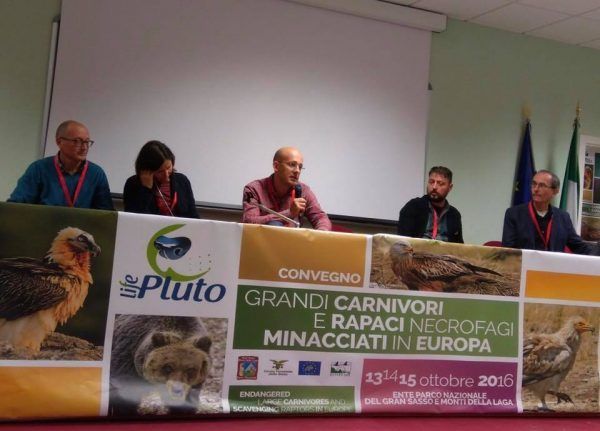
Between 13 and 15 October, the coordinator of the LIFE Bear Defragmentation project participated in an international meeting on the conservation of large carnivores and threatened scavenger raptors in Europe, held in Teramo , at the Faculty of Veterinary Medicine of the University of Teramo. The meeting is part of the exchange and dissemination actions of the LIFE Pluto project, aimed at developing actions to combat illegal poisoning and its negative effects on bear, wolf and scavenger raptors in Italy. In this meeting we have been able to present the situation of the Cantabrian bears and the actions developed in the LIFE project to favor its conservation, as well as to participate in debates on the problem of scavenger species and poison, together with more than 20 experts from different countries.

October 2016


The LIFE Bear Defragmentation project coordinator intervening in the congress.

Succesfully developed the Project Participatory Meetings in La Pola de Gordón

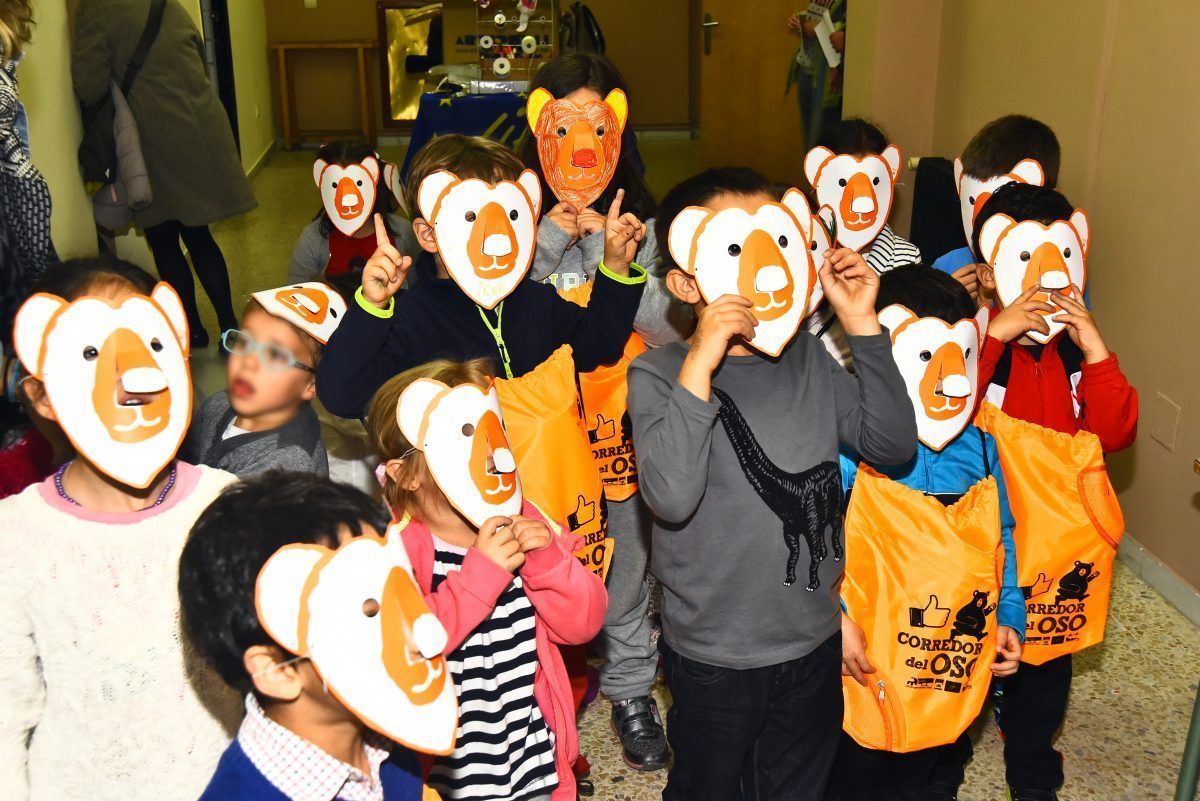
On 14, 15 and 16 October, the Participatory Meetings of the LIFE Bear Defragmentation project were held in La Pola de Gordón , with the collaboration of the host city council. These meetings had the purpose of showing the results of the actions developed, evaluating them and discussing with different stakeholders and the local public about the importance and the keys of the coexistence between bears and humans in the territory of the Cantabrian interpoblacional corridor. Thematic meetings have been held with local stakeholders, hunters, farmers and beekeepers, in which a total of 78 people participated, to share and resolve doubts and concerns about coexistence with bears. In addition to these meetings, about 150 schoolchildren from the municipalities involved in the project have participated in the various educational activities that have been carried out, as workshops, exhibitions, storytelling and games. These activities have helped children to learn more about the species and its habitat. To conclude the event, a field visit was carried out in Cármenes , to see the areas planted in the project, in which 61 neighbors participated. All the activities have been developed with the collaboration of different associations of the zone: Mountain Club Hiking Road, Club Deportivo Collalampa, Environmental Association Lacerta, Cultural Association La Mediana, Cultural Association Los Duendes de Tolibia.

October 2016

Children participating in one of the educational activities of the Participatory Meetings


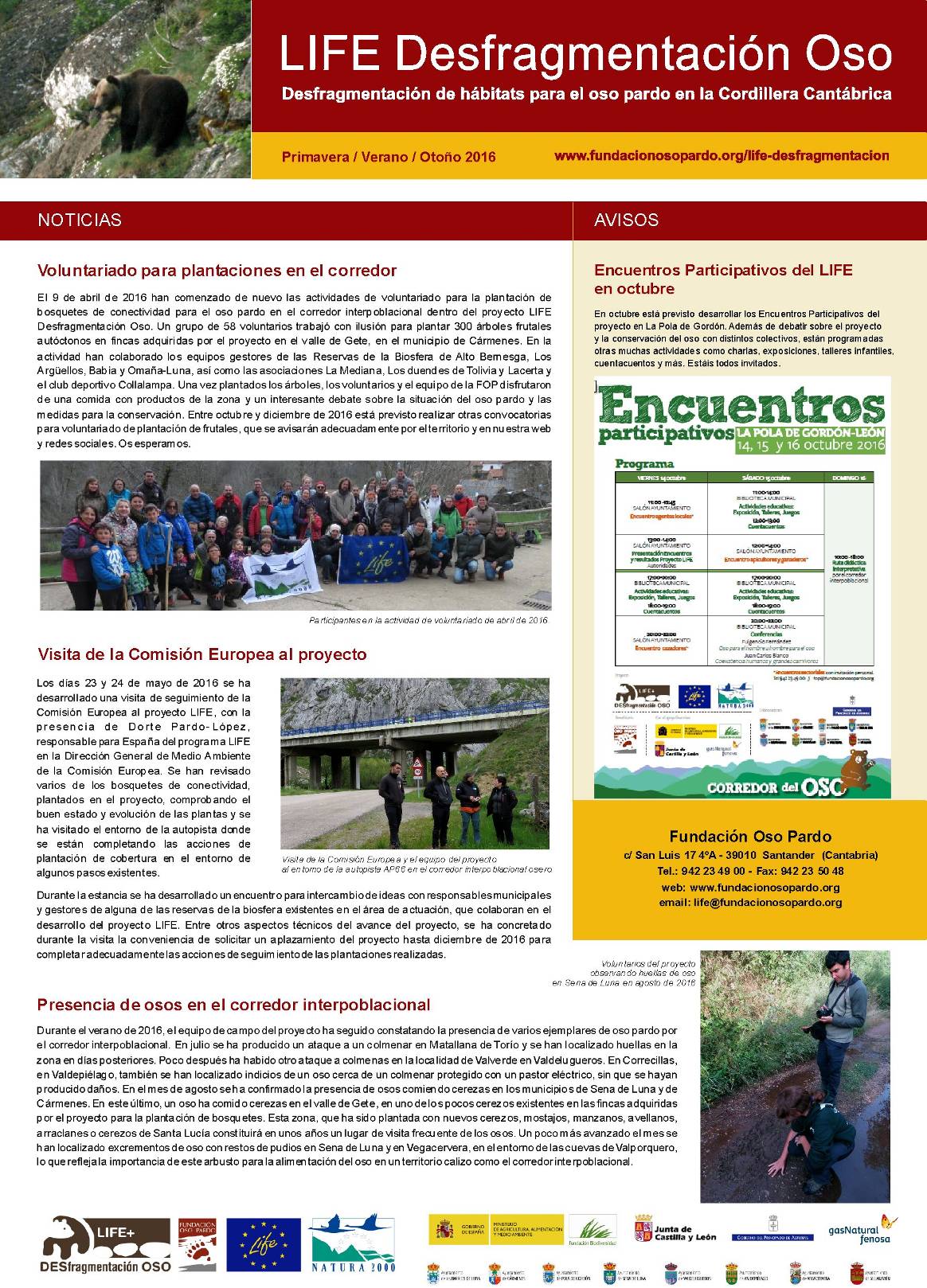
Published Newsletter Nº 6

The last newsletter of the project has been published, with the main actions developed since spring to the end of the project.

September 2016

Participation of intern students in the LIFE project

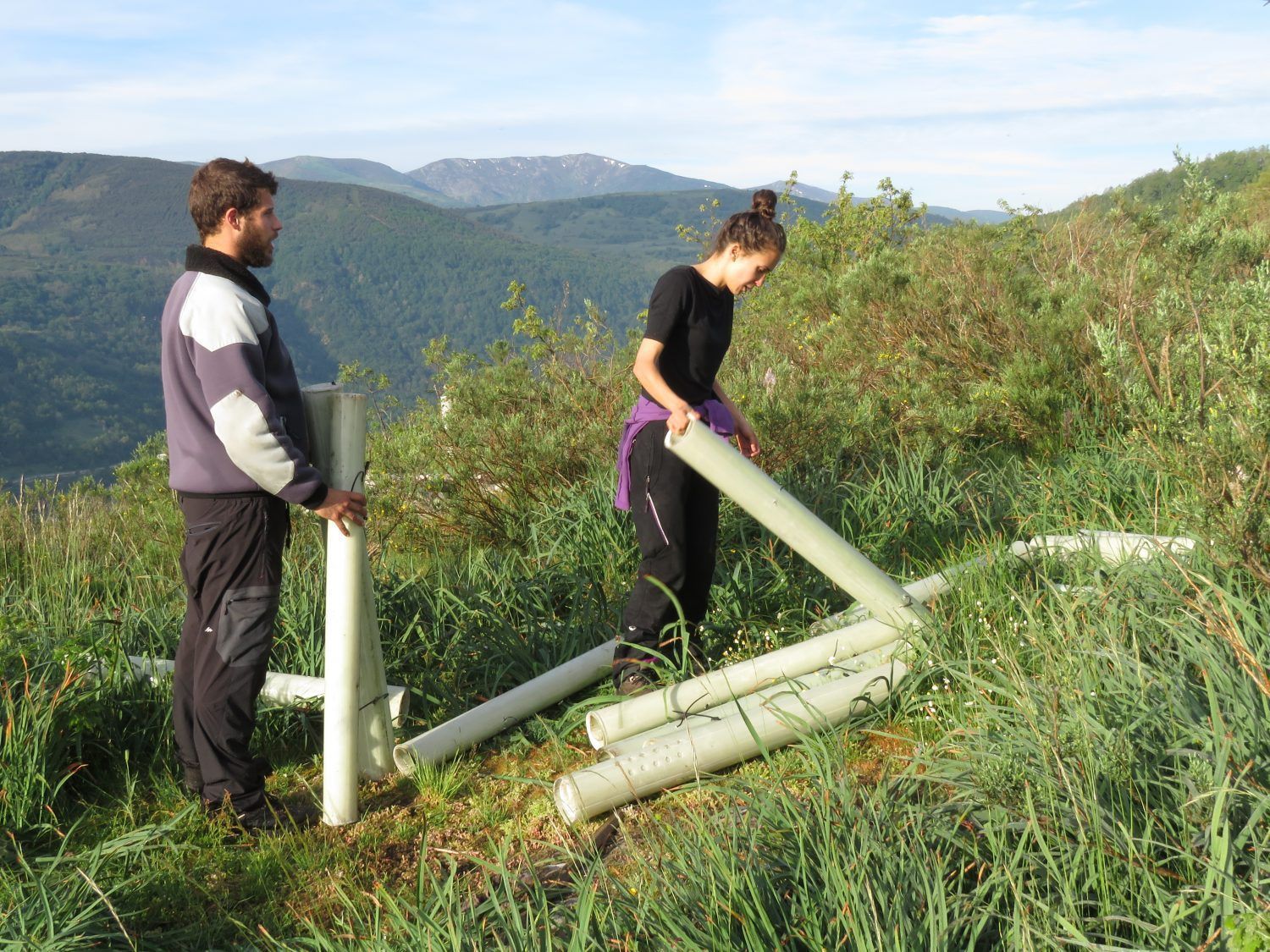
La Fundación Oso Pardo acoge habitualmente estudiantes de diversos estudios relacionados con la conservación de la naturaleza y la gestión forestal para el desarrollo de sus prácticas laborales, y previo acuerdos con los centros educativos correspondientes. Varios estudiantes han desarrollado sus prácticas laborales en el marco del proyecto LIFE Desfragmentación Oso, acompañando al equipo de campo y ayudando en el desempeño de diferentes labores como búsquedas de indicios de presencia de oso o seguimiento y control de las plantaciones realizadas en el proyecto. En 2014 realizó sus prácticas Lorena, estudiante de Ingeniería Forestal, y en 2015 Bárbara, estudiante de Biología, ambas procedentes de la Universidad de León. En 2016 nos acompañaron Enma y Miguel, estudiantes del Ciclo Formativo de Técnico en Trabajos Forestales y de Conservación del Medio Natural del Centro Gredos San Diego de Buitrago y María y Oscar, estudiantes del Grado en Ingeniería Forestal y del Medio Natural de la Universidad de Oviedo. Muchas gracias a todos por el esfuerzo y entusiasmo.


Agosto 2016


Intern students checking plantations of the LIFE project.

Participación de voluntarios en las acciones del proyecto LIFE

Una parte muy importante del proyecto ha sido la integración e implicación de los habitantes del corredor en las acciones de mejora del hábitat y la conectividad. Para ello, entre otras actividades, se han desarrollado varias jornadas de voluntariado que han tenido una excelente acogida, y en las que han participado 226 voluntarios. En agosto de 2015, 36 voluntarios del pueblo de Cármenes participaron en una ruta interpretativa y recogida de semillas para la producción de plántula para el proyecto. En octubre de 2015 fueron 20 voluntarios trabajadores de la empresa Gas Natural FENOSA los que plantaron los primeros 150 árboles en las fincas adquiridas por el proyecto en Gete. En esta misma zona se han desarrollado otras tres actividades de voluntariado en abril, octubre y diciembre de 2016, en las que 58, 61 y 74 voluntarios plantaron más de 750 árboles en conjunto. En octubre de 2016 y en el marco de los Encuentros Participativos del proyecto se desarrolló también una visita y ruta interpretativa con participación de 61 personas. Estas actividades han permitido a mucha gente de la zona conocer y participar en los trabajos del proyecto, contribuyendo a diseminar la importancia de la conservación del oso pardo y de su presencia en esta zona.

Diciembre 2016

El coordinador del proyecto imparte explicaciones sobre los trabajos a realizar a un grupo de voluntarios