Technical networking and exchange visit with the LIFE Lynxconnect project. May 2022

As part of the networking actions and exchange of experiences between LIFE projects, in May 2022 two teams of technicians and managers of the Andalusian Government in the LIFE Lynxconnect project have made two visits to the Cantabrian Mountains to learn about the experiences carried out in the framework of the LIFE “Bears with Future” project and different aspects of the management and conservation of the brown bear.

The visits of the LIFE Lynxconnect teams took place from May 3 to 6 and 16 to 19, visiting different work areas in Laciana (León) and the natural parks of Somiedo and Fuentes del Narcea, Degaña and Ibias (Asturias) accompanied by Fundación Oso Pardo technicians and field patrols. In addition to field trips and sharing experiences on the ground, several debate meetings and project presentations have been held in collaboration with the Fundación Patrimonio Natural de Castilla y León (May 6 at the Casa del Parque de Babia y Luna in Riolago and May 17 at the Capercaillie Center in Caboalles de Arriba) and exchange of ideas on carnivore damage management in collaboration with the General Directorate of the Natural Environment and Rural Planning of the Principado de Asturias (May 4 and May 19, at the Visitors Centre of the Somiedo Natural Park). Environmental and technical agents from the Principado de Asturias and the Fundación Patrimonio Natural de Castilla y León, researchers from the Joint Institute for Biodiversity Research (CSIC-Oviedo University-Principado de Asturias) and the Fundación Cesefor and visiting agents from the Cos de Banders corps of the Government of Andorra. In addition to the LIFE Lynxconnect and LIFE Bears with Future projects, aspects of interest from the LIFE Safe Crossing, LIFE SoriaForestAdapt and H2020 Superb projects have been presented and discussed.

The visits have made it possible to exchange ideas and practices related to the conservation of these species and their habitats, conflict management and the resolution of the new challenges generated by the recovery of the Iberian lynx and brown bear populations.
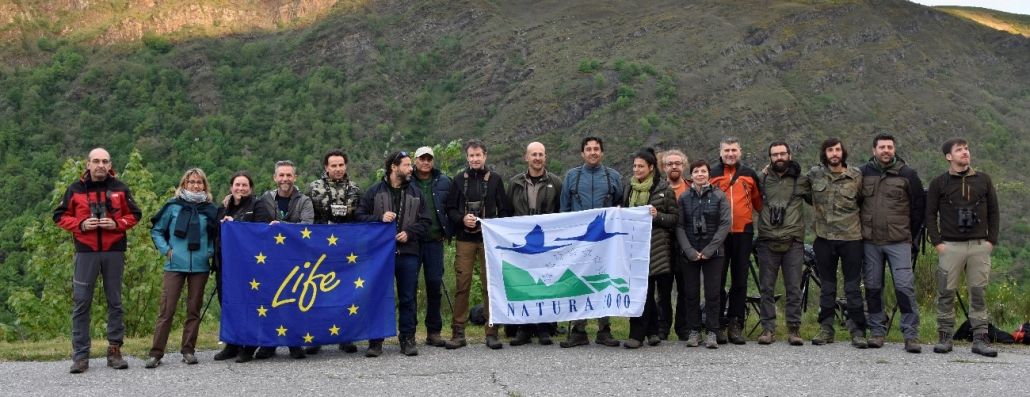
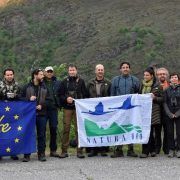
Teams of the LIFE Bears with Future project beneficiaries and technicians from the Andalusian Government in the LIFE Lynxconnect project in a field day in the Cantabrian Mountains.19

First visit of the external monitoring team to the LIFE Bears with Future. May 2022

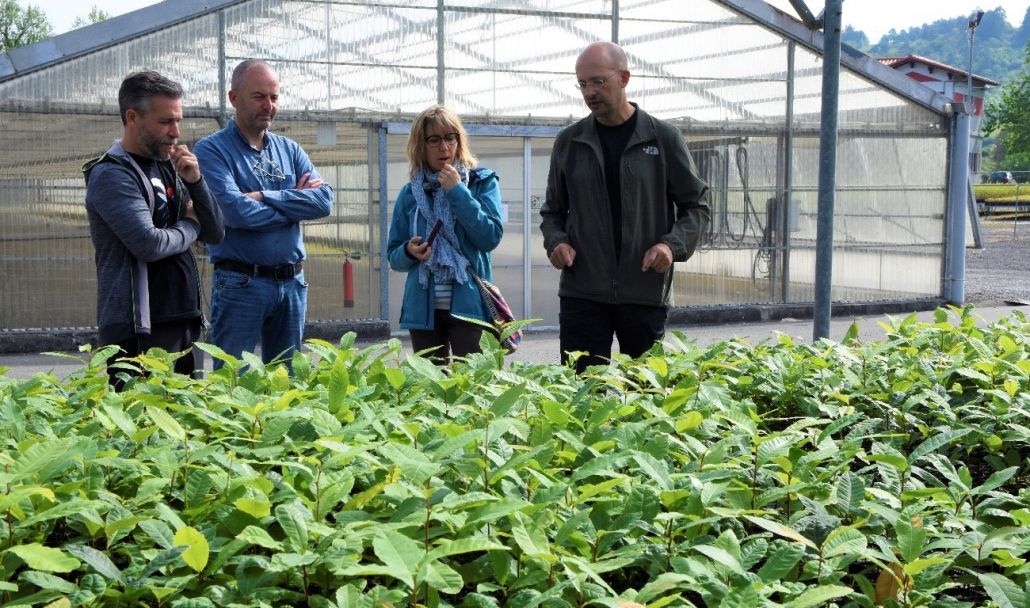
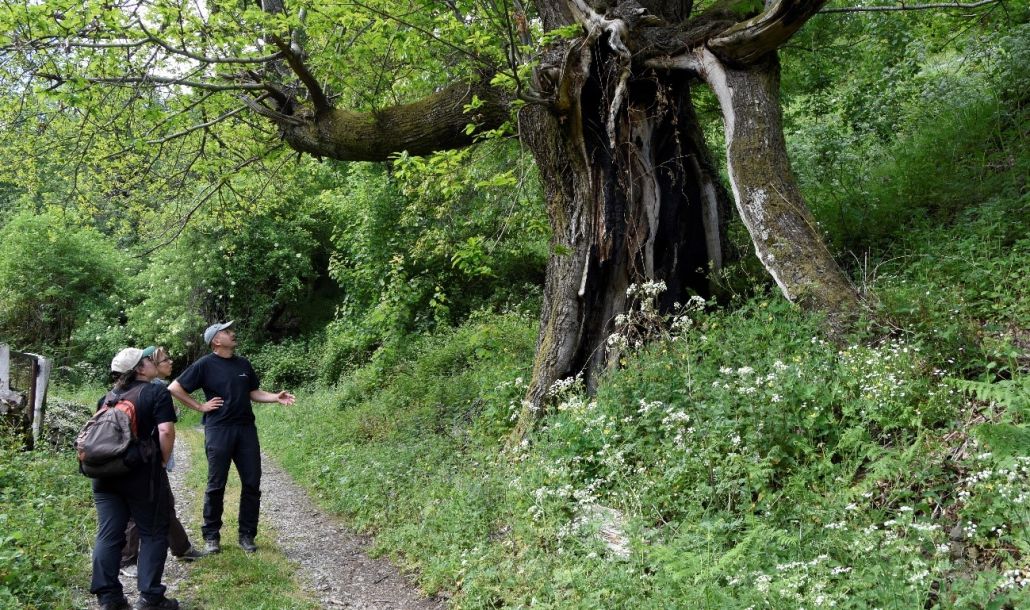
On May 16 and 17, 2022, the first visit to the project was carried out by the representative of the external monitoring team (NEEMO) of the LIFE projects, with the participation of the project teams of the Fundación Oso Pardo, the Fundación Patrimonio Natural de Castilla y León and the Fundación Biodiversidad. Some of the main actions carried out to date have been reviewed, visiting the production of chestnut seedlings in the La Mata forest nursery, dependent on the Principado de Asturias, the chestnut grafting treatment area in the Fuentes del Narcea, Degaña and Ibias Natural Park (Asturias) and several areas planned for the planting of chestnut and fleshy fruits forests in the municipality of Páramo del Sil (León). The visit has been completed with online meetings for the presentation of technical and financial information on the progress of the project.

Visita con el equipo de seguimiento al vivero forestal de La Mata, donde se están Visit with the external monitoring team to the La Mata forest nursery where chastnut seedlings are been produced for the project.
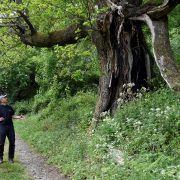
Visit with the external monitoring team to one of the old chestnut trees that has been genetically verified as a source of plant material for grafting.

Technical conferences on project advances and exchange of LIFE experiences. May 2022

Taking advantage of the visits by technical teams from the LIFE Lynxconnect project and other contacts established with other projects, in May 2022 two technical conferences were held to exchange experiences, which were also used to update the progress made in the LIFE Bears with Future project by the different beneficiary partners.

On May 6, a conference was held at the Babia-Luna Natural Park House in Riolago (León). Fernando Ballesteros and Luis Fernández, from the Fundación Oso Pardo, presented the strategic vision and progress of the LIFE Bears with Future project. Eduardo Álvarez, from the Fundación Patrimonio Natural de Castilla y León, presented the actions of the Foundation in the project. Rocío Gallego, from the CESEFOR Foundation, explained the LIFE Soria ForestAdapt project and the H2020 SUPERB project “Systemic solutions for the expansion of the urgent restoration of ecosystems for biodiversity and ecosystem services related to forests”. And Marcos López, from the Environment Agency of the Junta de Andalucía, presented the objectives and actions of the projects LIFE Lynxconnect “Creating a genetically and demographically functional metapopulation of the Iberian lynx (Lynx pardinus)” and LIFE SAFE CROSSING “A new international project for preventing large carnivore road mortality in Europe”.

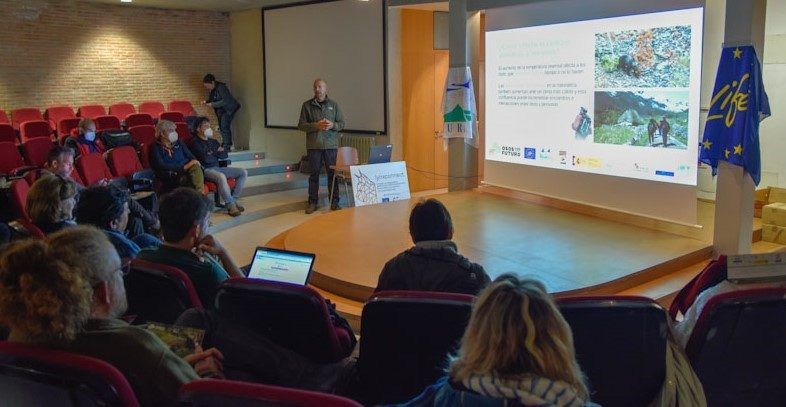
On May 17, a second technical conference was held at the Capercaillie Centre in Caboalles de Arriba (León). Fernando Ballesteros, from the Fundación Oso pardo, presented the LIFE Bears with Future project and the proposals for the bear’s adaptation to climate change. Víctor Gutiérrez and Carmen Berrio, from the Fundación Biodiversidad, explained the communication and awareness strategies that are included in the project. Eduardo Álvarez and Víctor González, from the Fundación Patrimonio Natural de Castilla y León, outlined the actions of the Foundation in the project, and in particular the proposal for pilot interventions in forest formations. And Javier Salcedo, from the Junta de Andalucía and coordinator of the LIFE Lynxconnect project, presented the progress of this project. The day ended with a visit to one of the pilot forestry intervention areas in Caboalles de Arriba and to an area where chestnut and fleshy fruit forest will be planted in Anllares de Sil (León).

JoTechnical conference for the exchange of experiences held at the Capercaillie Centre in Caboalles de Arriba (León) on May 17 2022.

First chestnut grafting treatment. May 2022

In April and early May 2022, the field team of the LIFE “Bears with Future” project carried out the first forest treatment in chestnut forests corresponding to action C3 of the project.

This first action has been carried out on a forest plot owned by the Fundación Oso Pardo in an area with a high presence of bears and close to critical areas for the species in Cangas del Narcea (Asturias), which was planted with chestnut trees more than 20 years ago and has not received any further treatment. A previous scientific supervision has been carried out by the University of Oviedo advisory team, including a visit by the project’s Scientific Committee and a technical planning and the marking of the trees to intervene.

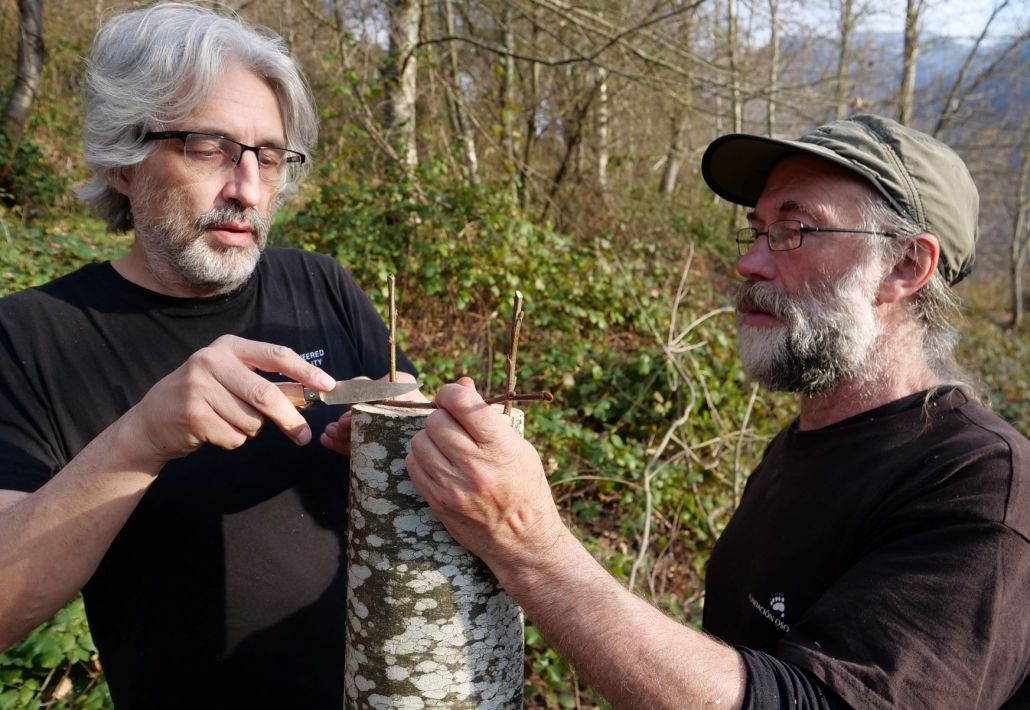
The elimination of competing trees has been limited exclusively to those that affected the growth and fruiting of the chestnut trees to be grafted, respecting in any case all the trees that produce fleshy fruits and nuts such as cherry trees, rowans, oaks or hazelnuts. The chestnut trees with the greatest potential for performing crown grafts have been selected, sawing the trunk horizontally at a height of 1.5 m and inserting 3 or 4 spikes with 2-3 buds each. Vegetative material has been collected from nearby ancient chestnut trees belonging to the “Parede” variety identified by genetic analysis. An important part of the chestnut trees has been kept ungrafted to favour pollination.

During the development of the treatment, a punctual presence of lesions compatible with canker disease (Cryphonectria parasitica) was detected in a few trees and in general without affecting their viability. All the work has been carried out applying strict precautionary measures against phytosanitary risks, basically consisting of the disinfection of all the tools by spraying bleach diluted 50% in water, sealing all the cuts made with suitable mastic and removing the main wood remains outside the plot.

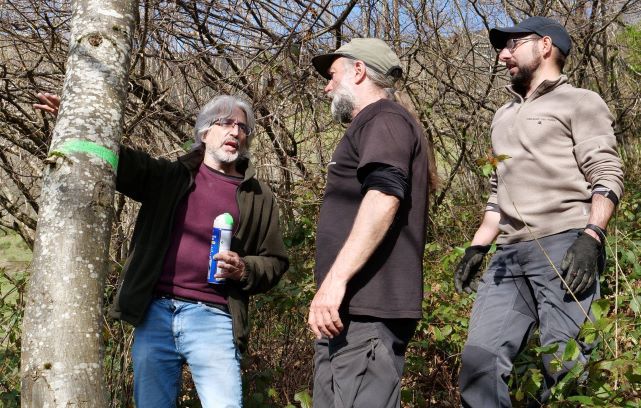
Marking of the trees selected for grafting.
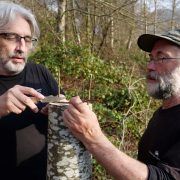
Pedro Álvarez, from Oviedo University, and Luis Fernández, from Fundación Oso Pardo, performing a crown graft on a chestnut tree.