LIFE Bears with future
Collection of field data for the climate change vulnerability analysis of fruit plant species important for the bear. August 2021
30 agosto, 2021

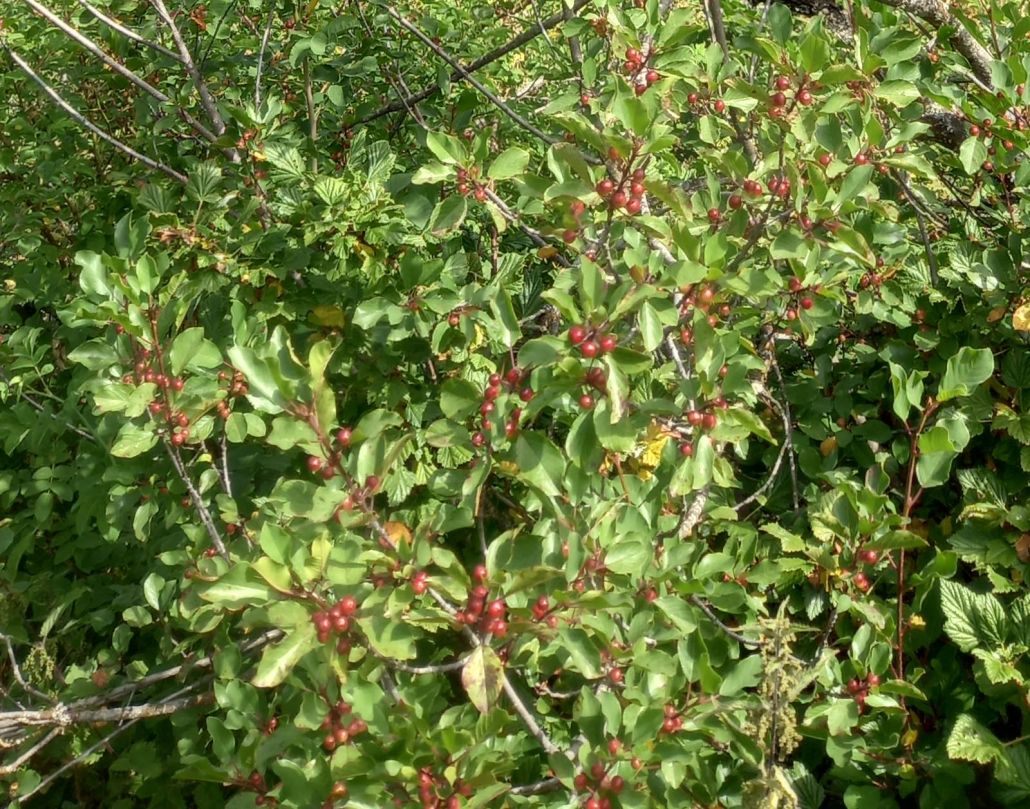
Since the beginning of the project ‘LIFE Bears with Future’, but especially since spring 2021, the project’s field team has been collecting data on the species of trees and shrubs that produce fleshy fruits of most interest for the brown bear. The objective has been to collect enough field information to carry out a climate change vulnerability analysis of the native tree species that produce fruits of high bear interest. The area of distribution of the Cantabrian brown bear has been surveyed through field trips in which plants of the different species have been located and georeferenced, separated at least 200 m from each other to allow data independence and representativeness, collecting information on their location, the presence of other nearby plants and the use by the brown bear. The areas most visited by bears have been especially surveyed according to the previous experience of the Brown Bear Foundation field patrols. In total, more than 1,500 locations of plants have been collected (725 Prunus avium, 352 Sorbus aria, 172 Rhamnus alpina, 146 Arbutus unedo, 114 Frangula alnus), most of them visited by the bears.
With these data, models of the potential distribution of the species are being carried out to establish relationships between different environmental and climatic variables and the available presence data. The work is being carried out by the team of Professor Ángel Felicísimo, from the University of Extremadura, with whom a technical assistance contract has been established. The models will be applied to the current and future scenarios, using the climate change cartography developed by the Kraken Group of the University of Extremadura for, at least, the A2 and B2 scenarios of the CGCM2 global model. The results will show the ideal areas for the implantation of each species under climate change scenarios, establishing the areas of greater suitability or opportunity that can be generated, where climate change may even favour its presence and/or fruiting.

Alder Buckthorn georeferenced

 Aparecen los restos esqueletizados de un oso pardo en el municipio leonés de...